Safety & Compliance
Safety-first isn't a slogan here. It's how we think about every decision, every flight, every interaction. Our FAA-accepted Safety Management System makes this mindset operational.
Part 5 Safety Management System
P&N operates under an FAA-accepted Safety Management System (SMS). This isn't just a compliance checkbox. It's a structured approach to identifying hazards, managing risk, and continuously improving our operations.
What SMS Means in Practice:
- • Systematic hazard identification and risk assessment
- • Clear policies and procedures that guide decisions
- • Ongoing safety reporting and analysis
- • Continuous improvement based on data
- • Management commitment at every level
Our SMS is accepted by the FAA, meaning it meets federal standards for safety management. But more importantly, it's how we actually operate. Not just documentation that sits in a binder.
Safety Philosophy
These principles guide every decision we make, from dispatch to training to maintenance.
Conservative Weather Decisions
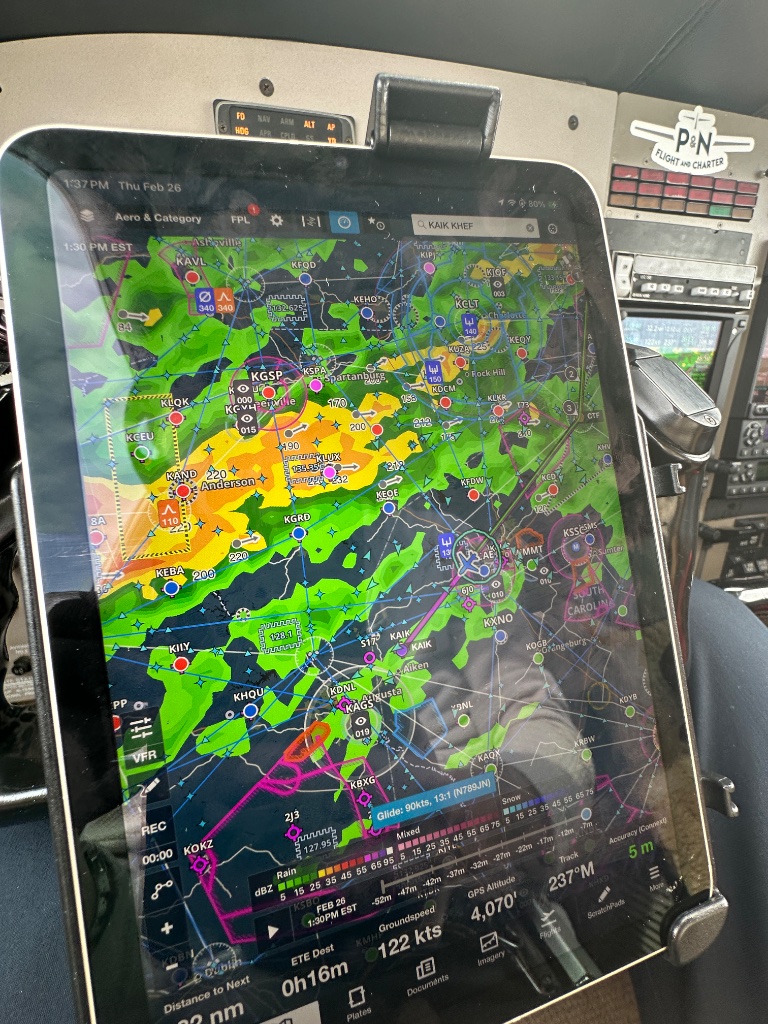
We err on the side of caution with weather. If conditions are marginal, we'll delay, divert, or reschedule. Getting there eventually beats not getting there at all.
Icing Avoidance Policy
Even with icing equipment, we maintain a conservative icing avoidance policy. The aircraft is capable; we choose not to push those margins.
Documentation Discipline
Manuals, checklists, and records that are current, accessible, and actually used. Our documentation drives operations—it's not just compliance paperwork.
Inspection-Ready Mindset
We operate as if the FAA could walk in tomorrow. Because they could. And because that's simply how professional operations should work.
Continuous Improvement
We actively look for ways to improve. Safety reporting, trend analysis, and feedback loops make our operation better over time.
Professional Standards
Every person in our operation understands their role in safety. It's not just the pilot's job—it's everyone's responsibility.
Our pilots meet or exceed all regulatory requirements. We don't stop at minimums. We emphasize judgment, professionalism, and conservative decision-making.
Aircraft are maintained to the highest standards with qualified mechanics, proper documentation, and a preventive mindset.
Recordkeeping & Compliance
Professional recordkeeping isn't glamorous, but it's essential. Our records are organized, current, and accessible. Proper documentation is the foundation of a compliant operation.